Trust Before Technology: What Public Libraries Teach Us About Scaling Community Science
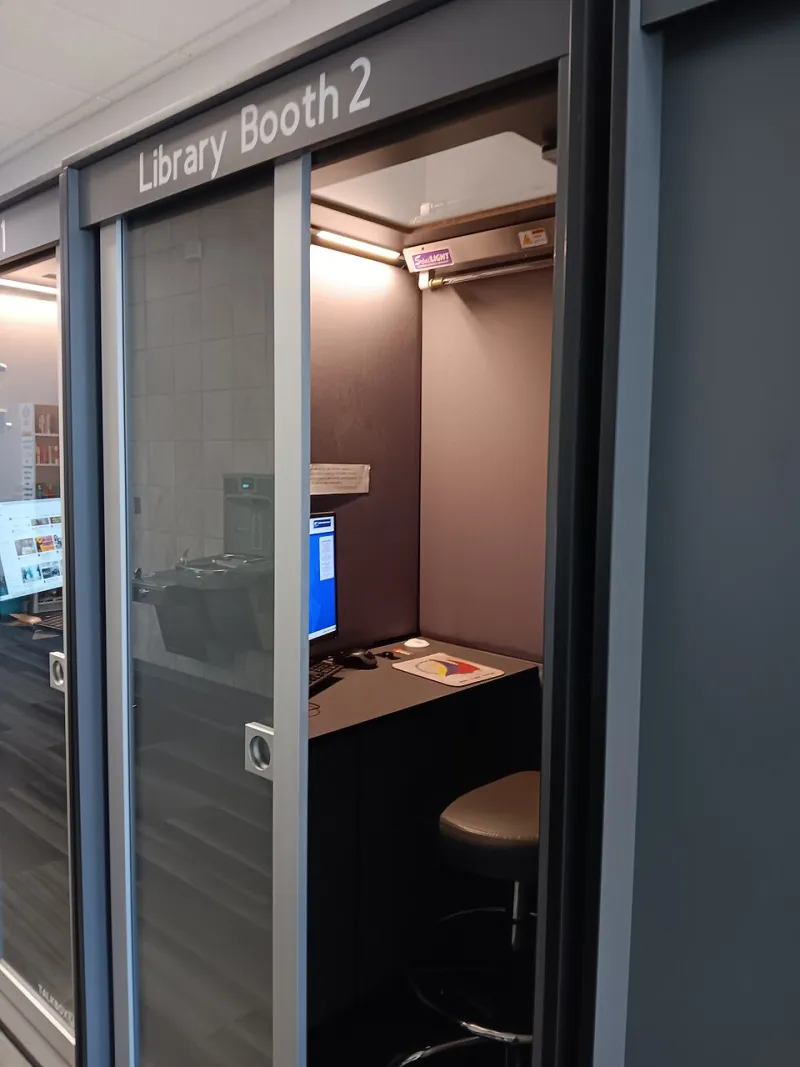
Photo: Aspensmonster, CC BY-SA 4.0, via Wikimedia Commons
When federal agencies and philanthropic foundations design community science programs, they tend to reach for the newest tools: smartphone apps, low-cost sensors, participatory mapping platforms. Rarely do they reach for the institution that already sits within walking distance of most Americans and consistently ranks as the most trusted entity in civic life — the public library.
That oversight is becoming harder to justify. Across the country, library systems have been quietly assembling the infrastructure of frontline science: lending shelves stocked with air quality monitors, water testing kits circulating like bestselling novels, and branch computers uploading observations to federal research databases. What began as a handful of experimental partnerships has matured into a distributed network that funders have yet to take fully seriously.
The Lending Desk Becomes a Lab Bench
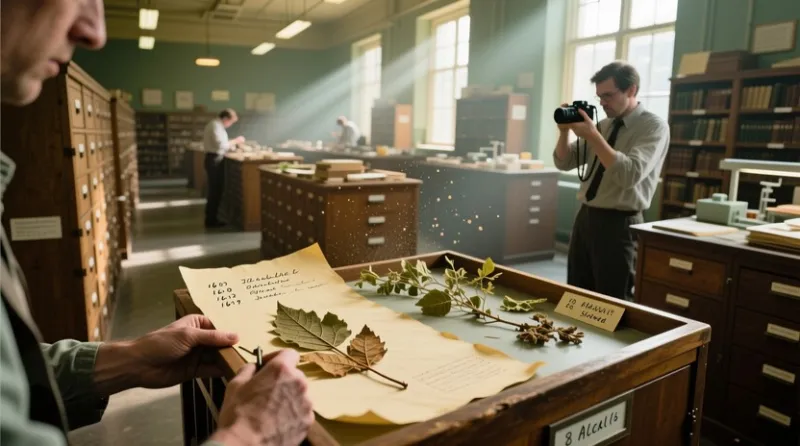
Consider what is already circulating through American library catalogs. In Arizona, the Maricopa County Library District loans particulate-matter sensors that residents use to map wildfire smoke exposure neighborhood by neighborhood. In Wisconsin, branches of the South Central Library System check out water testing kits connected to university extension programs tracking nitrate runoff in agricultural watersheds. In Los Angeles, the library system's flagship branch hosts a seed library whose returns feed into regional adaptation research on drought-tolerant varieties.
These are not gimmicks. They are, functionally, data collection points embedded in the places people already go — and they operate at a scale no university field station can match. The Institute of Museum and Library Services counts more than 9,000 public library systems in the United States, serving over 300 million annual visits. No laboratory network in the country approaches that footprint.
Why the Trust Dividend Matters
The technical barriers to community science are largely solved. Sensors are cheap; platforms are free. What remains scarce is trust, and this is where libraries hold an advantage that decades of polling confirm. Surveys from Gallup and the American Library Association have repeatedly found public libraries among the most positively viewed institutions in American life, cutting across political and demographic lines that fragment confidence in government, media, and higher education.
For researchers hoping to collect environmental data in communities skeptical of institutional science — a challenge RSSE has examined in the context of coastal monitoring — the library offers something no press release can: a familiar face and a neutral room. A resident who would decline a knock from a university survey team will happily borrow a sensor from the same branch where she votes, attends story hour, and picks up tax forms.
Three Systems, Three Models
The emerging landscape suggests at least three replicable models.
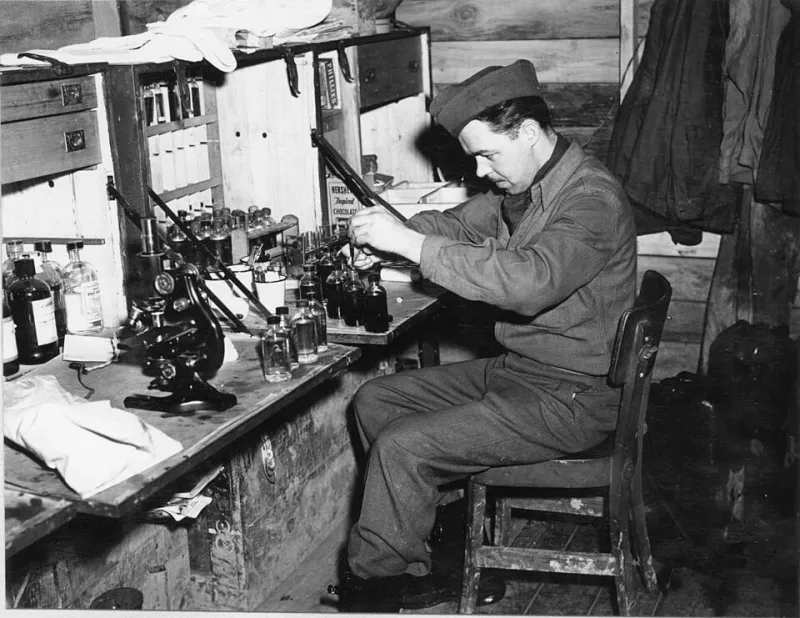
The equipment library treats scientific instruments as circulating collections, complete with maintenance budgets, calibration schedules, and patron training. Los Angeles Public Library's approach — pairing devices with structured programming and returning data to partner researchers — is the template.
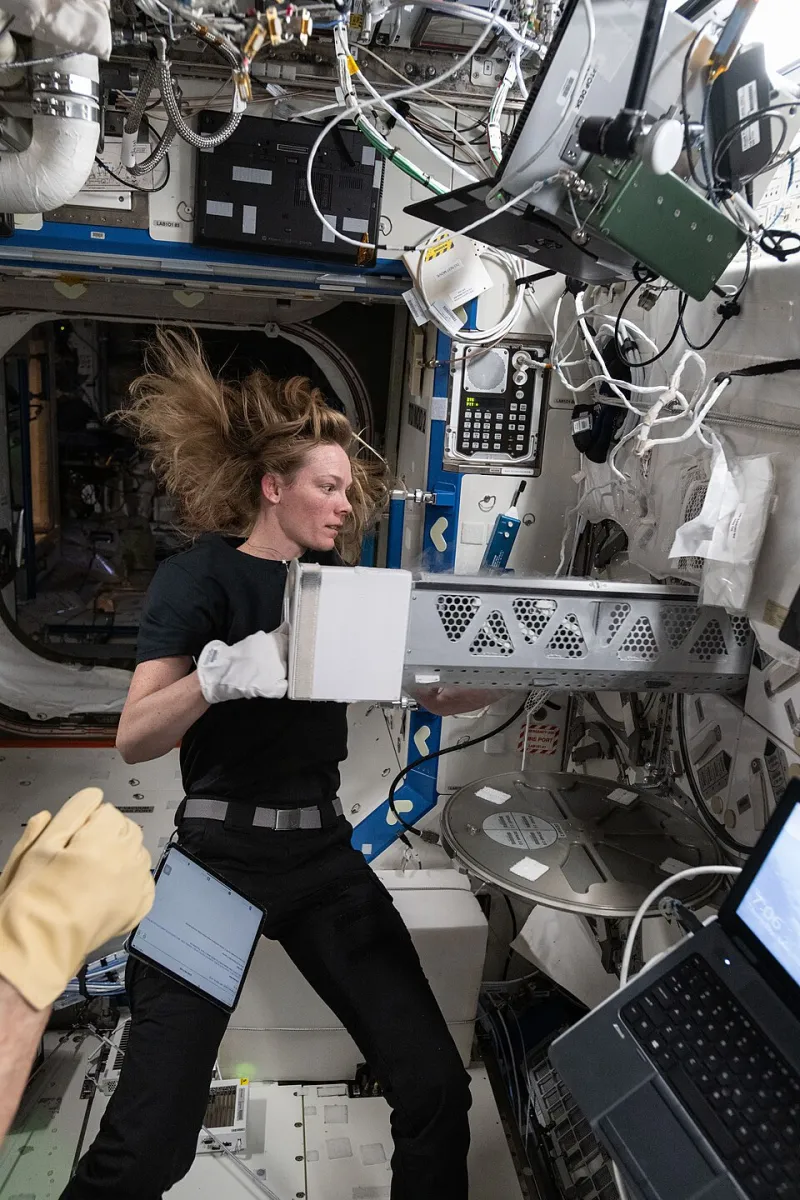
The embedded research site positions branches as long-term monitoring stations. Several systems in the Midwest now serve as collection points for the National Ecological Observatory Network's community partners and for state-level air quality initiatives, with staff trained as data stewards rather than merely hosts.
The living collections model uses seed libraries and plant exchanges as participatory research infrastructure, connecting backyard gardeners to land-grant university breeding programs. What looks like a community amenity is, in practice, a distributed field trial.
What Funders Should Do Differently
The gap is not enthusiasm but capitalization. Library science programs are typically funded through one-time grants, leaving systems to absorb recurring costs — sensor replacement, data management, staff training — from operating budgets already stretched thin. This is a familiar pattern, and one RSSE has documented across volunteer science and archival stewardship: the pilot is funded; the permanence is not.
Three commitments would change the trajectory. First, funders should treat library partnerships as multi-year infrastructure investments, not program add-ons, with line items for equipment lifecycle and staff time. Second, academic partners should build data governance agreements that credit libraries as co-investigators rather than venues. Third, agencies distributing community science funding should establish a dedicated stream for public library systems, recognizing them as the civic infrastructure they demonstrably are.
A Quiet Institution, A National Asset
Andrew Carnegie's library grants built a physical network that has outlasted every technological fad of the past century. The next chapter of that legacy is already visible on lending shelves from Maricopa to Milwaukee. The question for philanthropy and the academy is not whether libraries can serve as frontline science institutions — they already do. The question is whether the people funding American science will notice before the opportunity compounds without them.