RSSE Advancing Science, Education, and Stewardship

RSSE

Advancing Science, Education, and Stewardship

Latest Articles

Paying for the Map Before We Draw It: How Co-Stewardship Can Close the Public Lands Science Deficit
Community Stewardship

Paying for the Map Before We Draw It: How Co-Stewardship Can Close the Public Lands Science Deficit

Federal land agencies are tasked with managing nearly a third of American territory while their research capacity shrinks year over year. This examination of three working partnerships shows that nonprofit science collaborators are not a temporary fix — they are essential infrastructure that deserves permanent funding channels.


The Last Invoice: Designing Education Programs to Outlive Their First Grant
Education Policy

The Last Invoice: Designing Education Programs to Outlive Their First Grant

Every year, promising education and stewardship programs shut down not because they failed, but because their pilot funding did. Following one after-school science initiative through its funding cliff, this piece argues that boards must treat continuity as a design requirement from the first day of operations.

Reserves Are Not a Betrayal: A Governance Playbook for Small Nonprofits Building Financial Staying Power
Community Stewardship

Reserves Are Not a Betrayal: A Governance Playbook for Small Nonprofits Building Financial Staying Power

Lean research and education nonprofits are often told that every spare dollar belongs in the field. This piece argues the opposite: disciplined reserve-building is itself a stewardship practice, and boards that treat financial durability as mission infrastructure are serving their communities better, not less.

Talking About the Water Without Talking About the Fight: Coastal Science in Skeptical Communities
Education Policy

Talking About the Water Without Talking About the Fight: Coastal Science in Skeptical Communities

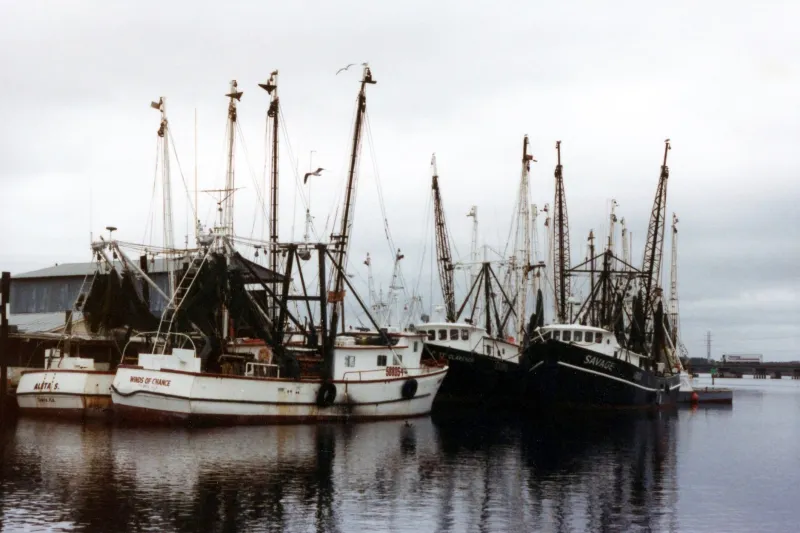
Marine researchers along the Gulf Coast have learned that leading with climate terminology often closes doors before data gets a hearing. An argument for an economics-first communication strategy that meets coastal communities where their livelihoods actually are.

One Hundred Sixty Years of Public Science: The Case for Reinvesting in America's Land-Grant Institutions
Education Policy

One Hundred Sixty Years of Public Science: The Case for Reinvesting in America's Land-Grant Institutions

As the Morrill Act approaches its 160th anniversary, land-grant universities remain among the most durable public investments in American science. Three underfunded programs show why renewed philanthropic partnership is essential to their next century of service.

Patient Capital for Living Shorelines: Rethinking How We Fund Ecological Restoration
Community Stewardship

Patient Capital for Living Shorelines: Rethinking How We Fund Ecological Restoration

Coastal dune and bay restoration projects rarely fail for scientific reasons — they fail because funding horizons are shorter than ecological ones. Comparative lessons from the Gulf Coast and Chesapeake Bay point toward a framework for decade-scale stewardship investment.

Before the Algorithm Decides: Transparency Standards Funders Should Demand from AI Grant Review
Education Policy

Before the Algorithm Decides: Transparency Standards Funders Should Demand from AI Grant Review

Artificial intelligence is quietly becoming a gatekeeper in American scientific philanthropy, screening proposals and ranking research priorities at a pace no human panel can match. This opinion piece argues that speed without accountability is a false economy, and offers funders a practical framework for demanding transparency before trusting the machine.

Where Knowledge Systems Meet: How Tribal-Academic Partnerships Are Rewriting American Conservation
Community Stewardship

Where Knowledge Systems Meet: How Tribal-Academic Partnerships Are Rewriting American Conservation

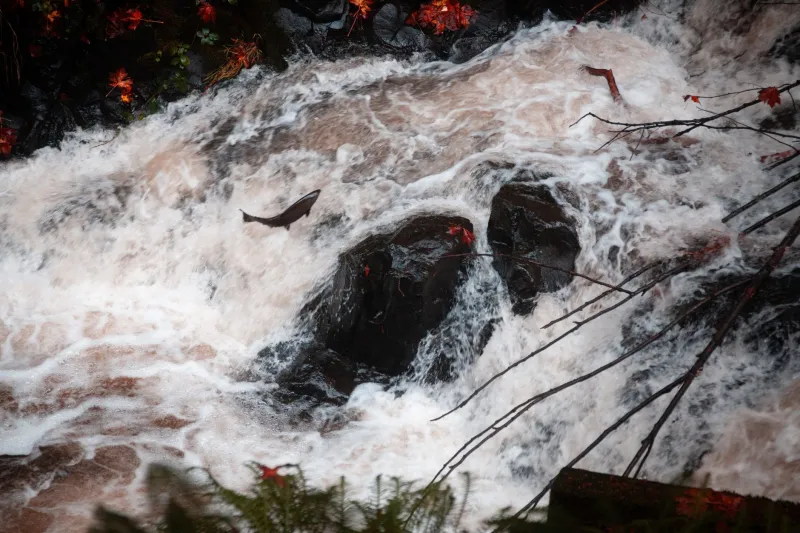
Across the United States, universities and Tribal nations are forming conservation partnerships that pair peer-reviewed science with traditional ecological knowledge refined over millennia. From salmon-bearing watersheds in the Pacific Northwest to the grasslands of the Great Plains, these collaborations offer institutional funders a new model for ecosystem restoration.

When Volunteers Rewrote the Rulebook: Five Moments Community Data Shaped American Law
Education Policy

When Volunteers Rewrote the Rulebook: Five Moments Community Data Shaped American Law

From backyard bird counts to volunteer air-quality networks, ordinary Americans have generated the evidence behind some of the nation's most consequential rules. Five case studies trace the road from grassroots observation to enforceable law—and what today's organizations can learn from each.

The Case for Showing Our Work: Open Grantmaking and the Future of Research Stewardship
Community Stewardship

The Case for Showing Our Work: Open Grantmaking and the Future of Research Stewardship

A growing number of research nonprofits now publish exactly which studies they fund and why. This opinion piece argues that transparency in grantmaking is not a reputational gamble but a discipline—one that strengthens donor confidence, sharpens academic rigor, and elevates stewardship across the sector.

Measuring What Matters: The Quiet Economic Power of Volunteer Science in American Communities
Community Stewardship

Measuring What Matters: The Quiet Economic Power of Volunteer Science in American Communities

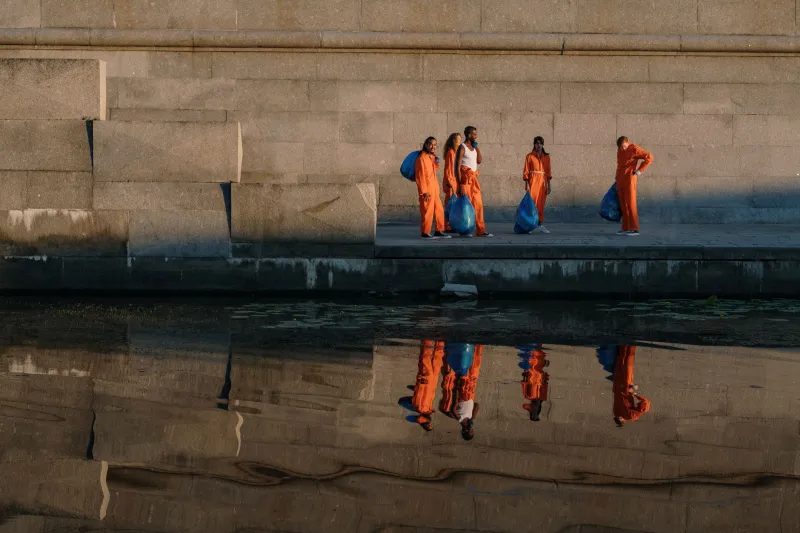
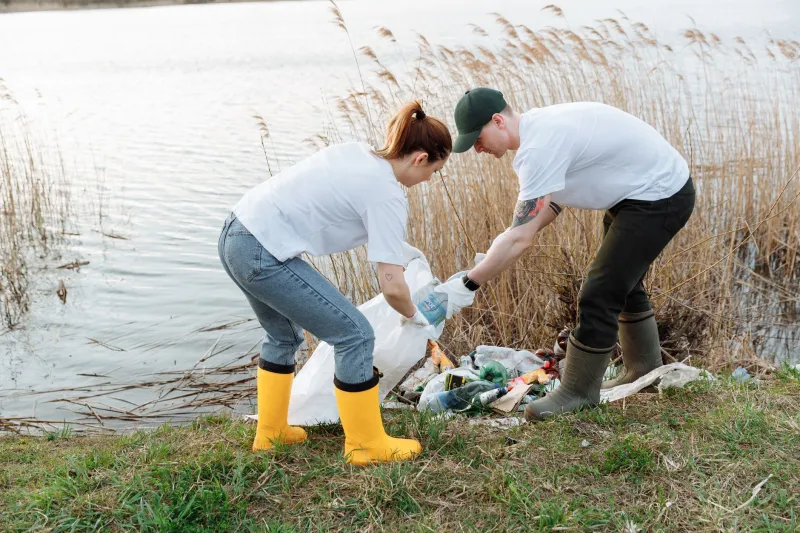
From creek-side water sampling to neighborhood bird counts, citizen researchers are generating data that saves municipalities money and strengthens civic bonds. This analysis examines three regional case studies that frame stewardship as a measurable return on investment.

Bringing the Laboratory to the Last Mile: Five Models Expanding Rural STEM Opportunity
Education Policy

Bringing the Laboratory to the Last Mile: Five Models Expanding Rural STEM Opportunity

Students in rural America are far less likely to access advanced laboratory science or research mentorship, but a wave of institutional partnerships is changing that equation. Here are five replicable models that funders and universities can scale.