Listening as Preservation: Why America's Sound Archives Deserve the Same Care as Its Specimens
Photo: Pacific Southwest Region USFWS from Sacramento, US, Public domain, via Wikimedia Commons
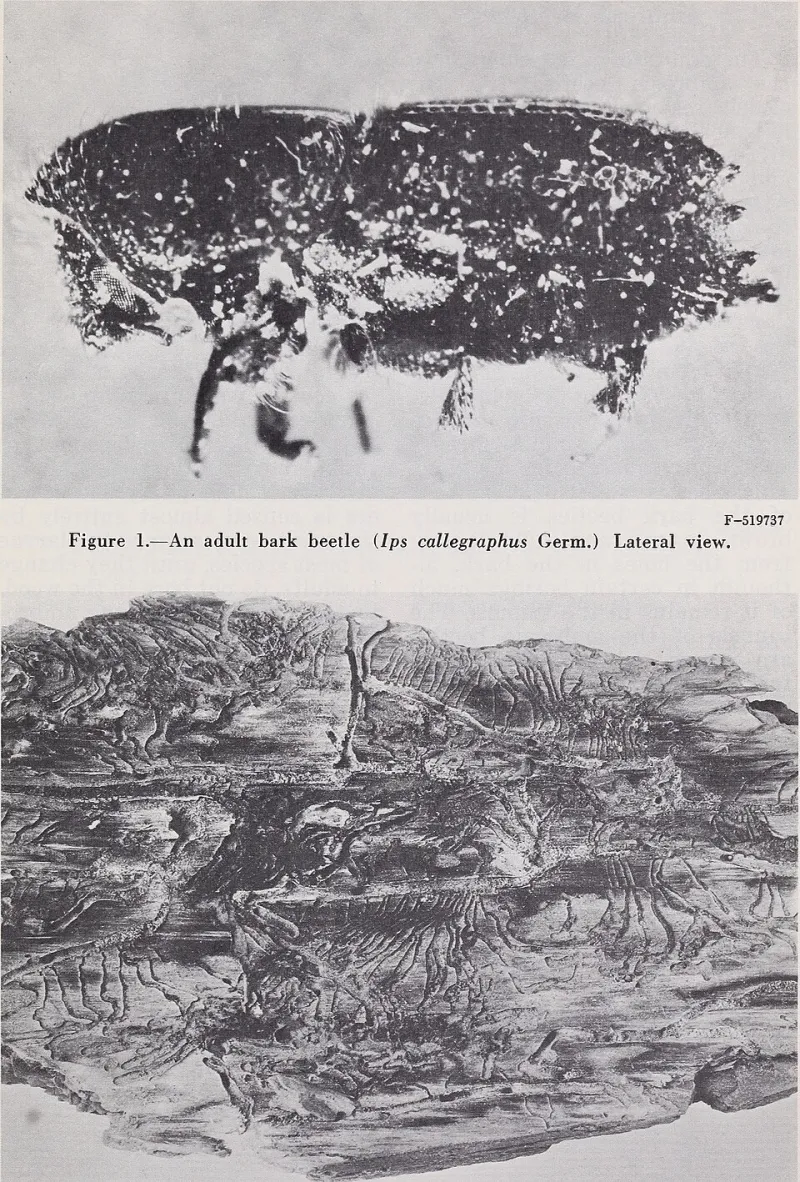
In the collections wing of a natural history museum, a drawer of pressed plants or a tray of numbered beetles carries an obvious claim to permanence. We catalog it, fund its climate control, and train curators to keep it intact for the next century of researchers. Few institutions extend the same instinct to a hard drive of frog calls recorded on a humid June night in a Georgia swamp. Yet those recordings may tell us as much about a changing continent as any specimen—and right now, much of that record is one failed grant cycle away from oblivion.
The Archive Nobody Planned
Bioacoustics grew from the ground up. Long before inexpensive autonomous recorders made all-night monitoring routine, volunteers with handheld detectors were logging bat passes along fixed transects and identifying frog and toad calls at roadside wetlands for the North American Amphibian Monitoring Program. These were not glamorous projects. They were car rides at midnight, repeated year after year, by retired teachers and county naturalists who understood that a single data point means little, but twenty years of them amount to something no one else can replicate.
The result is an accidental national archive: millions of audio files documenting when species call, when they fall silent, and how communities of sound shift under pressure from development, disease, and a warming climate. When white-nose syndrome swept through eastern bat hibernacula, acoustic transects captured the collapse in real time—coverage and cadence of bat activity thinning season by season. When anuran breeding windows drift earlier in the spring, frog-call surveys provide the evidence. This is ecosystem monitoring at continental scale, built largely on volunteer labor and shoestring budgets.
Three Projects That Kept Listening
Consider the range of what sustained listening has produced. The North American Amphibian Monitoring Program, coordinated for years through the U.S. Geological Survey's Patuxent Wildlife Research Center, organized volunteers along thousands of roadside routes, generating one of the longest-running national datasets on wetland species trends. Bat monitoring networks, including efforts aligned with the North American Bat Monitoring Program, standardized detector protocols so that counts from Vermont to Arizona could be compared across state lines and decades. And at the local level, projects like the long-running acoustic studies at research stations and urban preserves—some now exceeding twenty continuous years—have become the baseline against which every new development proposal in their watersheds is measured.
What unites them is stewardship discipline: fixed routes, standardized protocols, and volunteers trained to hear the difference between a chorus frog and a upland chorus frog at seventy miles an hour. What threatens them is the absence of any institutional plan for what happens to the recordings themselves.
Sound Is Data, and Data Needs a Custodian
A recording is a specimen. It captures a moment in time that cannot be re-collected—the evening chorus of a marsh that was drained two winters later, the echolocation sequence of a species that has since vanished from the county. As our recent work on public data stewardship has argued, digital collections are uniquely perishable: they require active maintenance, format migration, and, above all, an organization that accepts responsibility for them.
Yet most acoustic datasets live on laptops, external drives, and aging lab servers, described in the filenames of researchers who have moved on. Metadata—the date, location, weather, and observer confidence that give a recording scientific meaning—is often the first thing lost. For funders, the remedy is neither mysterious nor expensive. Proposals for long-term monitoring should include line items for archival storage and data management, just as they do for sample analysis. Universities and conservation nonprofits should designate custodial institutions for their audio collections the way herbaria designate successors. And standards bodies should extend the preservation practices long applied to genetic sequences and museum specimens to the bioacoustic record.
An Argument for the Long Night
There is also a civic dimension. Acoustic monitoring is among the most accessible forms of environmental science: it requires no specialized degree, accommodates volunteers of many physical abilities, and produces an outcome—the public archive—that communities can genuinely own. A county that can point to fifteen years of documented owl and amphibian activity has standing in zoning hearings and watershed planning that no anecdote can match. The listening projects that endure are, not coincidentally, the ones embedded in local institutions: audubon chapters, nature centers, community colleges.
For RSSE and our partners in research and education, the case is straightforward. America's after-dark ecosystems have been speaking for decades, and thousands of citizens took the trouble to write it down. Honoring that work means more than citing it. It means funding the storage, staffing the curation, and planning for succession so that the night shift of the natural world remains on the record for the researchers, teachers, and stewards who will need it next.